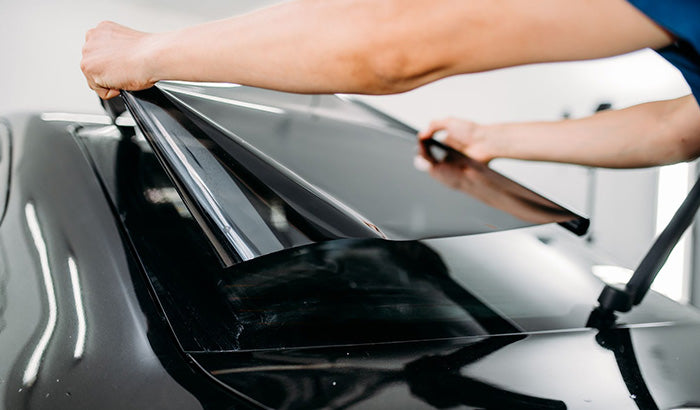
India is not just hot — it’s intensely hot, humid, dusty, and unpredictable.
From Chennai heat to Delhi summers and Mumbai humidity, your car is constantly exposed to:
- Extreme sunlight
- High infrared heat
- UV radiation
- Dust and pollution
- Heavy monsoon moisture
So choosing the right window tint is not about looks — it’s about heat management, durability, and long-term performance.
Let’s break down what actually works in Indian conditions.
Why Indian Climate Demands High-Performance Tint
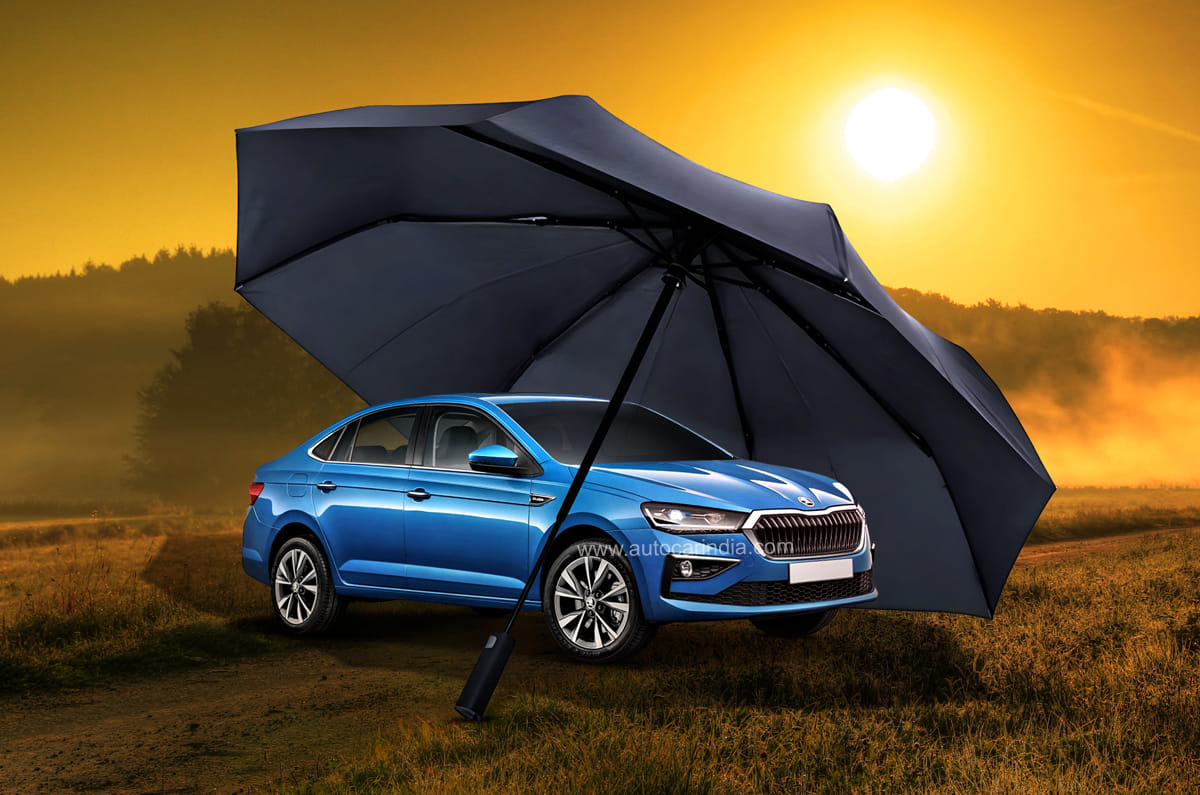

In India:
- Cabin temperatures can exceed 60–70°C
- Infrared radiation is the main source of heat inside cars
- UV exposure is extremely high year-round
Window films must:
- Reject heat (not just darken glass)
- Handle UV and humidity
- Stay stable without fading or peeling
Types of Window Tint – What Works & What Doesn’t
1. Dyed Film – Not Suitable for Indian Heat
- Works by absorbing heat
- Low heat rejection (IRER ~25–40%)
- Fades over time
Verdict:
Cheap, but not effective for Indian climate.
2. Metalized Film – Better, But Not Ideal
- Reflects heat using metal particles
- Better than dyed film
- But causes:
- Signal interference
- Reflective look
Verdict:
Decent performance, but outdated for modern cars.
3. Carbon Film – Mid-Level Option
- Blocks infrared better than dyed
- No signal interference
- Matte finish
Verdict:
Good balance, but still not top-tier for extreme heat.
4. Nano Ceramic Tint – Best for Indian Climate ✅
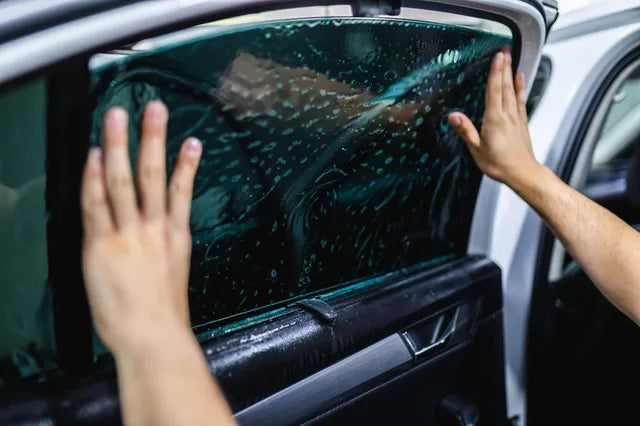
This is where real performance begins.
Why Nano Ceramic is Superior:
- Blocks infrared heat directly (not just absorbs it)
- Up to 65–80%+ total heat rejection (TSER)
- High IR rejection (IRER upto 70%) → cooler cabin
- 99% UV protection
- No signal interference
- Long life (8–10 years)
- Stable color (won’t turn purple)
Ceramic films are specifically designed for heat-heavy climates, making them ideal for India.
What Specs Matter for Indian Climate
Choosing the right tint is not about brand — it’s about specifications.
1. TSER (Total Solar Energy Rejection)
- Most important metric
- Indicates total heat blocked
- Good range:
- 55%–70%+ for Indian climate
Higher TSER = Cooler car
2. IRER (Infrared Energy Rejection)
- Measures actual heat rejection
- Ideal:
- 60%+ for good performance
- 70% for premium films
3. UV Rejection
- Should be 99–100%
- Protects:
- Skin
- Interiors
4. VLT (Visible Light Transmission)
- Legal + usability factor
Ideal for India:
- Windshield: 70%
- Side windows: 50-70%
Remember:
Darker tint ≠ cooler car
Real-World Performance Comparison
| Film Type | Heat Rejection | Durability | Signal Friendly | Suitable for India |
|---|---|---|---|---|
| Dyed | Low | Low | Yes | ❌ |
| Metalized | Medium | Medium | ❌ | ⚠️ |
| Carbon | Medium-High | Good | Yes | ✅ |
| Nano Ceramic | Very High | Excellent | Yes | ✅✅ |
What Happens If You Choose the Wrong Tint?
- AC struggles → higher fuel consumption
- Cabin remains hot
- Film fades or turns purple
- Bubbles due to heat stress
- Poor driving comfort
Cheap tint = false savings
Best Tint Setup for Indian Cars (Recommended)
For maximum performance:
- Front Windshield: Light ceramic (70% VLT)
- Side Windows: Medium ceramic (50% VLT)
- Rear Glass: Medium ceramic (50-70% VLT)
This gives:
- Heat rejection
- Legal compliance
- Clear visibility
Final Verdict
If you live in India, don’t overthink this:
Nano ceramic tint is the best choice for Indian climate.
Because it:
- Handles extreme heat
- Works in humidity
- Lasts long
- Provides real comfort
Everything else is either:
- Compromise
- Outdated
- Or temporary solution
About EVOFILMS EVOTINT
EVOFILMS nano ceramic films are engineered specifically for Indian conditions:
- High IRER (upto 70%) for real heat rejection
- High TSER (upto 75%) for cooler cabins
- 100% UV protection
- No signal interference
- Long-lasting durability
EVOFILMS – Drive the future, with EVOlutionary protection.